 VeriMom
Hamilelikte ci 77947 kullanmaktan kaçınmalı mıyım? | VeriMom
Reviewed by VeriMom Editorial Team · Last reviewed
ECHA regulatory hazard statements
- •H400
- •H410
Products containing ci 77947 — check your shelf
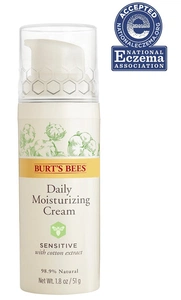
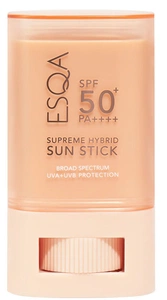
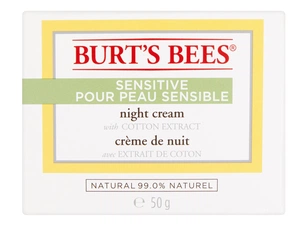
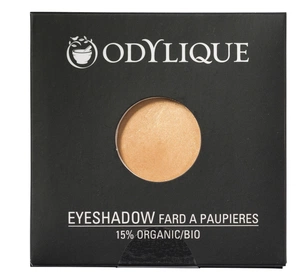
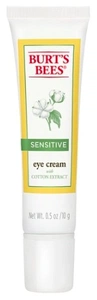
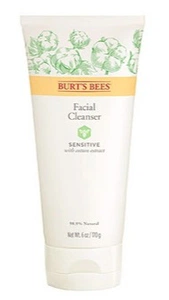
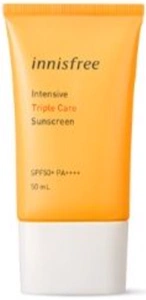
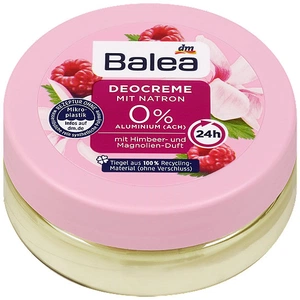
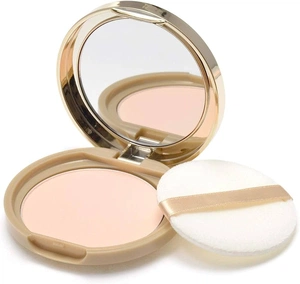
These products list ci 77947 on their INCI. If one is in your routine, consider swapping it during pregnancy.
What to use instead
Pregnancy-safe ingredients that serve a similar function:
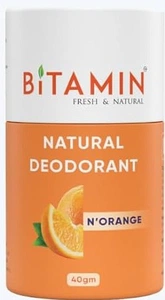
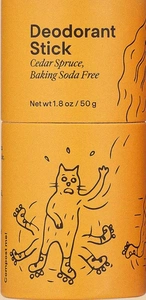
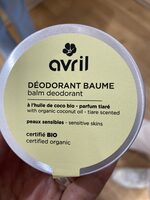
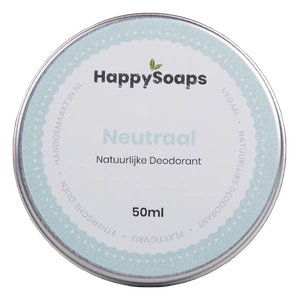
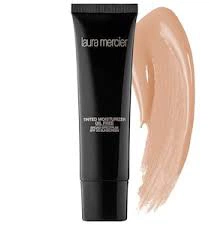
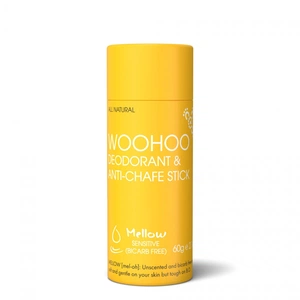
Pregnancy-safe products to use instead
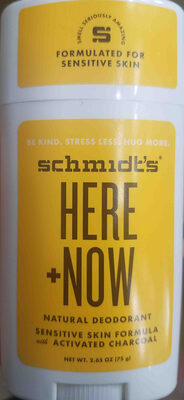
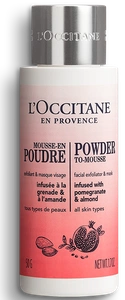
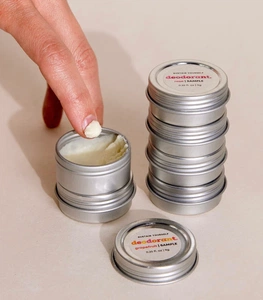
Products built around the safer ingredients above, scored "no known risks" or "low risk".
Sources & references
Authoritative references used to score this ingredient.
Hamilelikte ci 77947 yerine kullanılabilecek güvenli alternatifler | VeriMom
İçerikler — İçerikler
Ayrıca bakın
FAQ
- ci 77947 hamilelikte güvenli mi?
- Zinc oxide (CI 77947, CAS 1314-13-2) has no harmonised reproductive classification (ECHA Annex VI lists only environmental classifications H400/H410). Authoritative cosmetic panels (e.g., SCCS/CIR) regard zinc oxide as safe for topical use in cosmetics/sunscreens under their conditions; systemic dermal absorption is minimal, so reproductive hazard and exposure during pregnancy are not indicated. Note: some non‑harmonised notifications (e.g., aggregated PubChem GHS entries) include H361, but these are self-notifications/aggregations and are not harmonised and thus do not override higher-priority sources.
- ci 77947 emzirirken güvenli mi?
- Because dermal/systemic absorption of zinc oxide from topical formulations is negligible under normal use (per SCCS/CIR assessments), maternal systemic exposure that could transfer to breast milk is not expected. No authoritative evidence of reproductive/lactational toxicity from harmonised classifications.
- ci 77947 bebek cildi için güvenli mi?
- Hazard and mechanism: no infant-specific reproductive/toxic mechanism identified. Exposure: while adult dermal absorption is negligible, zinc oxide is not absolutely non-absorbable and infants (0–3 yr) have an immature skin barrier/higher surface‑area‑to‑body‑weight, so exposure score is increased by +1 relative to adults. SCCS/CIR accept topical use (including in sunscreens and barrier creams) given minimal systemic uptake, but infant-specific absorption data are limited.
- VeriMom ci 77947 nasıl puanlıyor?
- VeriMom ci 77947'yi EU CosIng, ECHA sınıflandırmaları ve PubMed çalışmalarına göre 39/100 (yüksek risk) olarak puanlar.
- Hamilelikte ci 77947 yerine neler kullanılabilir?
- Benzer işlevli ve bilinen riski olmayan alternatifleri içeren listemize bakın.
Kendi cilt bakım ürünlerini kontrol et
Herhangi bir ürünün içindekiler listesini ücretsiz kontrol aracımıza yapıştır ve her bileşeni AB düzenleyici verileri ve hakemli araştırmalara göre puanlanmış olarak gör.
Gebelikte güvenli içerik denetleyicisini açHer etiketi 2 saniyede kontrol et
VeriMom'u ücretsiz indirin — herhangi bir ürünü tarayın ve hamilelik güvenlik puanını anında görün.
Tıbbi Sorumluluk Reddi
Bu bilgiler yalnızca eğitim amaçlıdır ve tıbbi tavsiye niteliği taşımaz. Güvenlik puanları kamuya açık verilere dayanmaktadır ve tüm riskleri yansıtmayabilir. Hamilelik veya emzirme döneminde herhangi bir ürünü kullanmadan önce her zaman sağlık uzmanınıza danışın.