 VeriMom
Devo evitar c9-11 alkane/cycloalkane na gravidez? | VeriMom
Reviewed by VeriMom Editorial Team · Last reviewed
ECHA regulatory hazard statements
- •H350
What to use instead
Pregnancy-safe ingredients that serve a similar function:
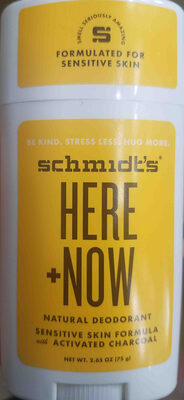
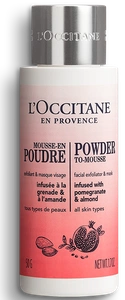
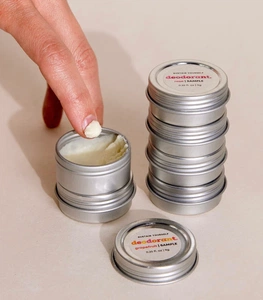
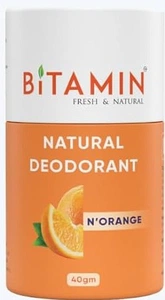
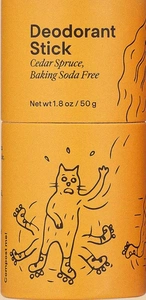
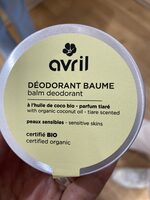
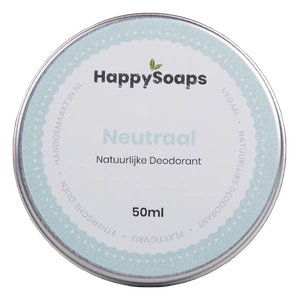
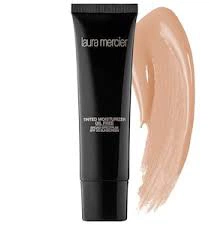
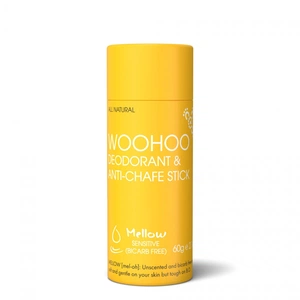
Pregnancy-safe products to use instead
Products built around the safer ingredients above, scored "no known risks" or "low risk".
Sources & references
Authoritative references used to score this ingredient.
Alternativas seguras ao c9-11 alkane/cycloalkane na gravidez | VeriMom
Ingredientes — Ingredientes
Veja também
FAQ
- c9-11 alkane/cycloalkane é seguro durante a gravidez?
- Harmonised classifications and substance dossiers identify CAS 64742-49-0 (hydrotreated light naphtha / C9–11 alkane/cycloalkane) with CLP hazard statements including H340 (germ cell mutagenicity) and H350 (carcinogenicity) as notified in ECHA/Annex VI and in manufacturer SDSs; these CLP-level hazards justify a ‘suspected’ reproductive/genotoxic concern under the provided scoring rules (h=2). ECHA substance page and SDS list the harmonised H-phrases. ([echa.europa.eu](https://www.echa.europa.eu/substance-information/-/substanceinfo/100.059.211?utm_source=openai))
- c9-11 alkane/cycloalkane é seguro durante a amamentação?
- Same harmonised hazards (H340/H350) apply and support a suspected hazard for breast-feeding (h=2). Mechanistic concern is supported by the mutagenicity/germ‑cell hazard classification (m=2). Dermal cosmetic use gives low but measurable systemic exposure for adults (e=1) for volatile/light petroleum distillates. ([echa.europa.eu](https://www.echa.europa.eu/substance-information/-/substanceinfo/100.059.211?utm_source=openai))
- c9-11 alkane/cycloalkane é seguro para a pele do bebê?
- Because the substance carries harmonised germ‑cell mutagenicity/carcinogenicity classifications (H340/H350), the pregnancy/breastfeeding hazard level is retained (h=2) — the user rules prohibit downgrading without strong evidence. Mechanistic concern remains (m=2). Exposure score is increased by +1 for infants (immature barrier / higher SA:BW); with measurable adult dermal absorption (e=1), infant exposure is e=2. No infant‑specific toxicokinetic data were found to alter hazard or mechanism scores. ([echa.europa.eu](https://www.echa.europa.eu/substance-information/-/substanceinfo/100.059.211?utm_source=openai))
- Como o VeriMom pontua c9-11 alkane/cycloalkane?
- O VeriMom pontua c9-11 alkane/cycloalkane em 20/100 (risco alto) com base no status EU CosIng, classificações de perigo ECHA e estudos revisados por pares no PubMed. Nosso pipeline de pontuação é totalmente transparente.
- Quais são as alternativas seguras a c9-11 alkane/cycloalkane na gravidez?
- Veja nossa lista curada de alternativas seguras a c9-11 alkane/cycloalkane com base em função semelhante e classificação sem riscos conhecidos.
Verifique seus próprios cosméticos
Cole a lista de ingredientes de qualquer produto no nosso verificador gratuito e veja cada ingrediente avaliado com base em dados regulatórios da UE e pesquisas revisadas por pares.
Abrir o verificador de ingredientes seguros na gravidezVerifique qualquer rótulo em 2 segundos
Baixe o VeriMom grátis — escaneie qualquer produto e veja a pontuação de segurança na gravidez instantaneamente.
Aviso Médico
Estas informações são apenas para fins educacionais e não constituem aconselhamento médico. As pontuações de segurança são baseadas em dados publicamente disponíveis e podem não refletir todos os riscos. Sempre consulte seu profissional de saúde antes de usar qualquer produto durante a gravidez ou amamentação.